Badfeel Instagram Templates: Elevate Your Visual Branding
Standing out in the endless scroll of social media requires more than just a good photo; it demands a cohesive and professional visual language. For content creators, entrepreneurs, and designers looking to streamline their workflow while maintaining high aesthetic standards, the Badfeel Instagram Templates offer a robust solution. This collection is designed to bridge the gap between raw creativity and polished publication, providing a framework that is both visually striking and technically sound. By utilizing these templates, you are not just adding text to an image; you are integrating a system designed to enhance brand identity and audience engagement.
Understanding the Aesthetic and Technical Specs
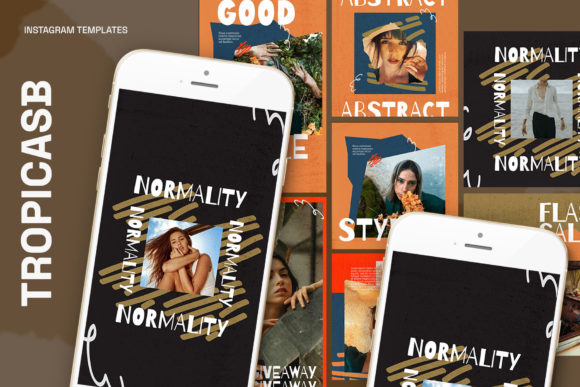
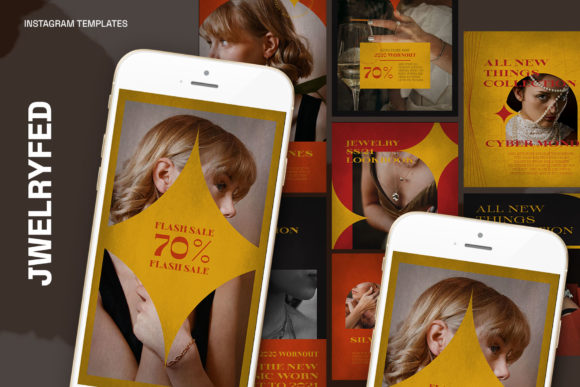
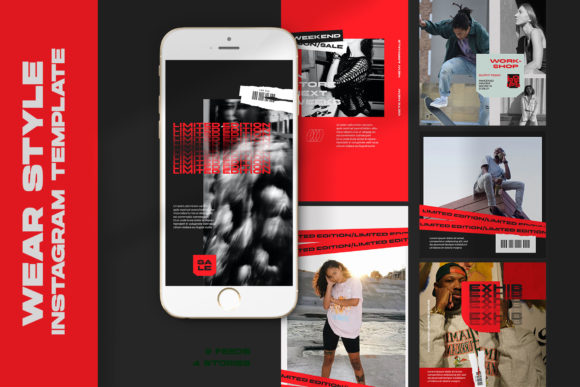
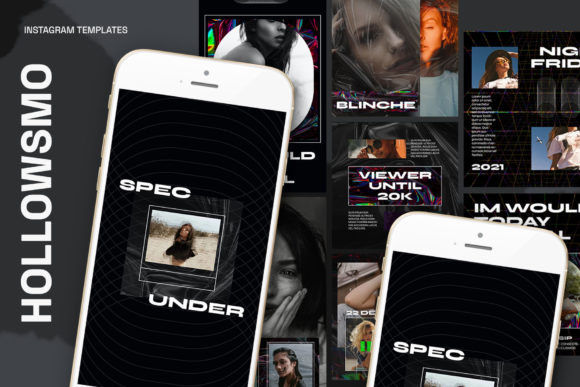
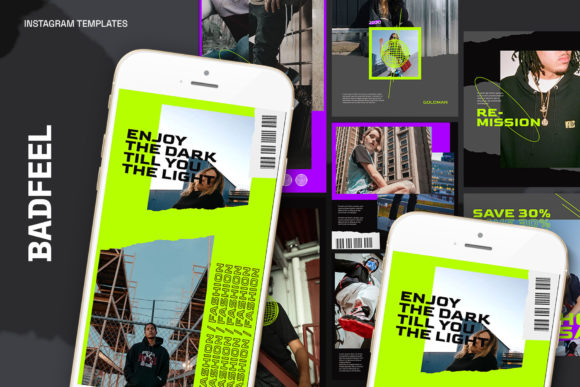
The visual personality of the Badfeel collection leans into a modern, often moody or atmospheric aesthetic that resonates well with contemporary trends in social media graphics. Whether you are a photographer looking to present a portfolio, a boutique shop owner highlighting new products, or a lifestyle blogger sharing daily updates, the design language is adaptable enough to suit various niches without feeling generic. The layouts prioritize clean lines and intentional negative space, ensuring that your content remains the focal point.
However, the true power of these design assets lies in their technical construction. The package includes 1.13 PSD Files, which are the industry standard for complex layering and editing. A standout feature is the integration of Smart Objects. For those unfamiliar, a Smart Object is a container that holds image data from raster or vector images, preserving its original content and characteristics. In practical terms, this means you can swap out placeholder images for your own high-resolution photos with extreme precision.
The workflow is intentionally simplified to save you time. You simply double-click on the "image layer" (specifically clicking the layer icon on the image group), place your image within the bounding box, and hit CTRL + S to save. This non-destructive editing process ensures that your original photo remains intact while the template applies its specific framing and effects. Furthermore, the files are set up at 300 DPI and RGB color mode, ensuring crisp visuals for digital screens. With dimensions of 1200 x 1200 px and 1920 x 1080 px, these templates are perfectly optimized for standard Instagram feeds and story formats, ensuring your content displays correctly across all devices.
Strategic Applications for Branding and Marketing
Using a premium font or template system like Badfeel is about more than just aesthetics; it is a strategic move for consistency. In brand identity design, consistency is the currency of trust. When your audience sees a familiar layout, color palette, or typeface treatment, they instantly recognize your brand. This collection allows you to maintain that visual rhythm without starting from scratch every time you need to post.
For web design and editorial design professionals, these templates serve as an excellent bridge between a client’s website and their social media presence. You can use the styles to create mockups or to generate quick content that aligns with a larger digital marketing campaign. Packaging design businesses can also leverage these files to create lifestyle shots of their products in a controlled environment, using the Smart Object feature to insert product renders into realistic scenes.
Moreover, the versatility of the file extends to logo design presentations. Instead of presenting a logo on a plain white background, designers can place their work into the Badfeel templates to show clients how their new identity looks in a real-world application, such as an Instagram post or story. This adds a layer of professionalism to your pitch and helps clients visualize the end result.
Customization and Typography Flexibility
One of the most critical aspects of any template is its ability to be customized to fit specific brand guidelines. The Badfeel Instagram Templates excel here because all text is editable with the text tool. This allows you to change not just the words, but the font style, weight, size, and color. If the default display font doesn't match your brand's voice, you can easily swap it out for a sans serif font for a cleaner look or a script font for a more personal touch.
This flexibility is vital for font pairing. A well-paired typography hierarchy—using a bold header with a lighter body text—guides the viewer's eye and improves readability. Since the text layers are fully vector-based, they remain sharp and legible regardless of scaling, which is essential for maintaining professionalism and readability on high-resolution mobile screens. Whether you prefer a handwritten font for a cozy, artisanal vibe or a modern typography setup for a tech startup, the file structure supports your creative decisions.
Practical Guide to Implementation
To get the most out of these files, it is helpful to adopt a structured approach to your content creation. First, gather your raw assets. Have your high-resolution images and your brand's color codes ready. Next, open the PSD file and explore the layer structure. Familiarize yourself with the grouping—usually, elements like the background, text, and image placeholders are separated for ease of use.
When replacing images, remember the Smart Object workflow: double-click, insert, save. This ensures the template's masking and effects are applied automatically. After updating the imagery, review the typography. Ensure that your chosen creative font aligns with the mood of the photo. For example, a sharp, geometric sans serif font might work best for urban photography, while a flowing script font could complement wedding or lifestyle content.
Finally, consider the commercial font licensing of any typefaces you choose to install and use within the template. While the template files themselves are designed for use, the fonts you bring into the project must be licensed for your specific application, especially if you are creating content for a client. By treating these templates as a starting point rather than a final product, you can create a vast library of content that feels bespoke and tailored to your specific marketing goals.